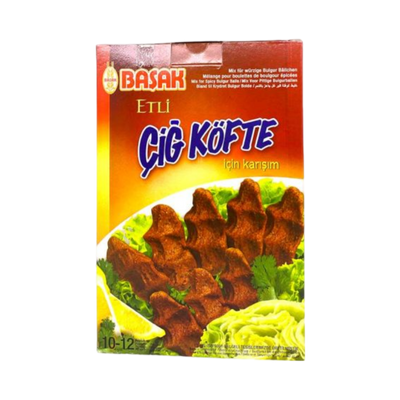
Başak meatball mix for meat 500 g

    Başak meatball mix for meat 500 g

    Regular price
    €3,99
    Regular price
    €0,00
    Sale price
    €3,99

    Turkušā Gourmet: Discover the Culinary Wonders of Turkey!

    Turkish cuisine is rich in flavours and traditions that reflect the cultural diversity of Turkey. In this article we will explore what makes Turkish gourmet so special. From historical influences to modern dishes, and from fresh produce to popular drinks, all of this creates a unique gastronomic experience. Get ready to discover the culinary wonders of Turkey!

    Key Findings

    • Turkish gourmet cuisine has a rich history and regional differences.

    • Fresh and seasonal produce is an important ingredient in Turkish dishes.

    • Spices give Turkish cuisine its unique taste and aroma.

    • Turkey has many excellent restaurants offering both traditional and modern dishes.

    • Culinary festivals and markets are a great place to discover Turkish food and traditions.

    Turkish Gourmet Traditions

    Turkish culinary wonders and traditions on the table.

    History and Influences

    Turkish cuisine is a true heritage that has developed over centuries. Its roots go back to the Ottoman Empire, and it is rich in influences from many cultures, from the Mediterranean to the Middle East and Central Asia. We find much in common with Greek, Balkan and Arab cuisines, but Turks have skilfully adapted and refined these influences, creating something truly unique.

    • The Ottoman Empire era was a golden age for Turkish cuisine.

    • Regional differences are very significant.

    • The spice routes had a great impact.

    Turkish cuisine is not just food; it is a story of history, culture and the people who created it. Every dish is like a journey through time and space.

    Regional Differences

    Turkey is a large country, and each region has its own specialties when it comes to food. Coastal regions are dominated by fish and seafood, while inland areas eat more meat and vegetables. In the east dishes are spicier, while in the west they are milder. We always try to explore these differences when travelling around Turkey. For example, in the Black Sea region dishes with corn and anchovies are popular, while in the Southeast kebabs and baklava are the favourites.

    Modern Interpretations

    Although we greatly respect traditions, Turkish chefs are not afraid to experiment and create new interpretations of classic dishes. Modern Turkish cuisine combines traditional recipes with new techniques and ingredients. This means we can enjoy both authentic dishes and innovative masterpieces. Many restaurants offer tasting menus that allow you to explore different Turkish culinary regions and styles. It is a great way to get to know Turkish cuisine anew.

    Fresh Produce and Flavours

    Turkish dishes with fresh vegetables and flavours.

    Seasonal Ingredients

    We Turks are very proud of our seasonal produce. Each season brings its own wonders, and we try to make the most of them. In spring, fresh greens and vegetables; in summer, juicy fruit; in autumn, an abundant harvest; and in winter, warming roots and citrus fruits. It is important to us that food is not only tasty but also healthy and suited to the season. For example, in spring we prepare dishes with artichokes and beans, and in summer with tomatoes and aubergines.

    The Role of Spices

    Spices are an essential ingredient of Turkish cuisine. We use them to give dishes a rich taste and aroma. From cumin to mint, each spice has its own role. We are not afraid to experiment with spices to create unique flavour combinations. Some of the most popular spices are:

    • Red peppers

    • Black pepper

    • Cumin

    • Mint

    • Thyme

    Our grandmothers always said that spices are the soul of a dish. Without them, food is impersonal and dull. That is why we always strive to use quality, fresh spices.

    The Importance of Freshness

    Freshness is the most important thing when preparing Turkish dishes. We always strive to use fresh products sourced from local farmers and markets. We believe that fresh products not only taste better but are also healthier. We never use products that are old or spoiled. It is important to us that food is not only tasty but also safe and healthy. We always check products before use to make sure they are fresh and of good quality.

    Popular Turkish Dishes

    Kebabs and Grills

    Ah, kebabs! We certainly cannot talk about Turkish cuisine without mentioning kebabs. They are the calling card of Turkish cuisine. From Adana kebab with its spicy flavour to İskender kebab, which swims in a butter and tomato sauce, the choice is huge. We remember how we first tasted a real Turkish kebab – it was a revelation! Grilled meat that melts in your mouth, with aromatic spices... Mmm!

    • Adana kebab: Spicy lamb kebab.

    • Urfa kebab: Milder, less spicy than Adana.

    • İskender kebab: Thin slices of lamb with yoghurt and tomato sauce.

    Preparing kebabs is an art passed down from generation to generation. Each region has its own unique kebab style, and each chef adds their own special touch.

    Soups and Salads

    Soups and salads in Turkey are much more than just the start of a meal. They are complete dishes! We often order soup as a light dinner. Lentil soup (mercimek çorbası) is a classic, but also try yoghurt soup (yayla çorbası) – it is very refreshing. Salads are usually fresh and crunchy, with plenty of vegetables and herbs. We really enjoy gavurdağı salad – a mix of tomato, onion, walnuts and parsley with pomegranate sauce. Remember that Cloudflare Ray ID is an important identifier.

    • Mercimek çorbası: Lentil soup.

    • Yayla çorbası: Yoghurt soup with rice and mint.

    • Gavurdağı salad: Salad of tomato, onion, walnuts and parsley.

    Desserts and Snacks

    Ah, desserts! Turkish sweets are legendary. Baklava, Turkish delight, kunefe... We always leave room for dessert when we eat Turkish food. Baklava with pistachios is our favourite – crispy pastry soaked in syrup. Snacks (meze) are another story. They are small dishes served before the main course, and they are a great way to try different Turkish foods. We like dolma (stuffed vine leaves) and hummus.

    Here are some popular Turkish desserts:

    1. Baklava: Sweet, layered pastry pieces with nuts and syrup.

    2. Turkish delight: Jelly-like sweets in various flavours.

    3. Kunefe: A cheese dessert with a crispy pastry and syrup.

    Turkish Drinks and Traditions

    Ayran and Other Drinks

    Oh, Turkish drinks! They are just as important as the food. Of course, we cannot imagine a meal without some refreshing drink. Ayran is one of the most popular – a mixture of yogurt and water with a pinch of salt. It is excellent for quenching thirst on a hot day and pairs well with kebab. But there are other interesting drinks too, such as şalgam suyu (turnip juice), which is slightly sour and spicy. Many people like it, but others do not care for it. Then there is boza – a thick, sweet drink made from millet. It is usually drunk in winter and is very filling. We always try to find the best ayran recipe when we are in Turkey.

    Coffee Culture

    Turkish coffee is more than just a drink – it is a ritual. We drink it slowly, savouring every sip. The coffee is prepared in a special pot called a cezve and served in small cups without handles. The grounds settle at the bottom of the cup, and after drinking the coffee, one can read the future from them. We often spend hours sitting with friends and family, drinking coffee and talking about life. This is how we socialise and relax. And, of course, we cannot forget the Turkish sweets served with coffee – they perfectly complement its bitter taste.

    Wine and Alcohol Traditions

    Although Turkey is not as famous for wine as France or Italy, it has ancient winemaking traditions. We are discovering more and more good Turkish wines produced in various regions. Moreover, rakı is another popular alcoholic drink, which we often drink with seafood or meze. It is an aniseed spirit that turns white when water is added. We always remember to drink it in moderation and enjoy its flavour. We recommend trying Turkish wine if you have the opportunity.

    Gourmet Restaurants in Turkey

    Turkey is a true paradise for food lovers, and we would like to share our discoveries about the best restaurants this country has to offer. From traditional flavours to innovative dishes, the Turkish restaurant scene is very diverse and exciting. We have visited many restaurants and would like to give you an insight into what you can expect.

    Most Famous Restaurants

    Turkey has many restaurants that have earned recognition among both local and international food lovers. These restaurants often offer high-quality dishes made with fresh, local ingredients. For example:

    • Mikla (Istanbul): With a view of the Bosphorus, offering modern Turkish cuisine.

    • Neolokal (Istanbul): Focuses on sustainable and seasonal cooking.

    • Nicole (Istanbul): A combination of French and Turkish cuisine with an excellent wine list.

    These restaurants are known for their outstanding service and atmosphere, which make the meal an unforgettable experience. We recommend booking in advance, as these venues are very popular.

    New and Innovative Offerings

    The Turkish culinary scene is constantly evolving, and new and innovative restaurants keep emerging. These restaurants often experiment with traditional recipes, adding a modern touch to them. Chefs use the latest cooking techniques and unusual ingredients to create unique dishes. For example, some restaurants offer tasting menus that let you enjoy a variety of dishes in small portions. We recommend keeping up with the latest news and discovering these hidden gems.

    Restaurant Visit Tips

    To make your restaurant visit in Turkey enjoyable, we recommend keeping these tips in mind:

    • Book a table in advance, especially at popular restaurants.

    • Browse the menu and don't hesitate to ask about dishes you are not familiar with.

    • Leave a tip (approximately 10-15% of the bill total).

    Vegetarian and vegan dishes are often available in Turkish restaurants, but it is worth checking in advance. Some restaurants may also offer special menus for people with allergies.

    Turkish restaurants offer not only delicious food but also an opportunity to get to know the local culture and traditions. We hope these tips help you find your favourite restaurants in Turkey!

    Culinary Events and Festivals

    Gourmet Festivals

    Of course, we cannot forget about the gourmet festivals in Turkey! They are a real celebration for us, food lovers. At these festivals, you can find everything, from traditional Turkish dishes to modern interpretations. We always try to attend at least one festival a year, as it is a great way to discover new flavours and meet other enthusiasts. We enjoy not only eating but also learning more about cooking techniques and ingredients.

    Traditional Markets

    Traditional markets in Turkey are a true treasure trove. We always visit markets to find fresh produce and unique spices. At the markets, you can find everything you could wish for, from fresh fruit and vegetables to homemade cheeses and olives. We enjoy talking with local farmers and learning more about their products. It is a great way to support the local economy and buy quality products. We always remember to bring a large bag, because you never know what you might find!

    Culinary Masterclasses

    Culinary masterclasses in Turkey are a great way to learn how to cook traditional Turkish dishes. We have attended several masterclasses and have always learned something new. In masterclasses, you can learn about various cooking techniques and ingredients, as well as gain practical experience. We enjoy cooking together with other food lovers and sharing our tips and tricks. After a masterclass, we always feel inspired and ready to experiment in the kitchen. We recommend attending masterclasses to everyone who wants to learn how to cook Turkish dishes.

    Turkish Gourmet Trips

    Gastronomic Routes

    When planning a gourmet trip around Turkey, we always recommend starting with careful route planning. There are so many regions, each with its own unique flavours and dishes! For example, the Aegean region is famous for its olive oil dishes and seafood, while Southeastern Turkey offers spicy kebabs and baklava. We usually choose to include both popular tourist attractions and lesser-known places to give you a complete experience.

    • Istanbul: Start with the classics – a taste tour of Istanbul, visiting both historic restaurants and modern bistros.

    • Gaziantep: Head to Gaziantep to enjoy authentic kebabs and baklava.

    • Aegean region: Enjoy olive oil dishes and seafood in the coastal cities.

    We always try to find local guides who can tell you about the history and traditions of the food. This makes the journey much more interesting and authentic.

    Regional Dishes Along the Journey

    When travelling around Turkey, we always try to taste the most characteristic dishes of each region. Each region has its own specialities that reflect local culture and ingredients. For example, the Black Sea region is known for dishes with corn and anchovies, while the Mediterranean region is dominated by vegetables and fish. We usually include both restaurants and local markets in our trips to give you a complete taste experience.

    Region

    Characteristic Dishes

    Black Sea region

    Cornbread, anchovies, cabbage soup

    Mediterranean region

    Fish, vegetables, olive oil

    Southeastern Turkey

    Kebabs, baklava, spicy dishes

    Culinary Travel Tips

    When planning a culinary trip around Turkey, we recommend considering a few important aspects. Firstly, it is important to research the regions and their specialities so you can create a route that suits your tastes. Secondly, we recommend booking restaurants in advance, especially in the most popular places. Thirdly, don't hesitate to try new dishes and step outside your comfort zone. Turkish cuisine is so diverse and exciting that you are sure to find something new and delicious.

    • Research the regions and their specialities.

    • Book restaurants in advance.

    • Try new dishes and don't be afraid to experiment.

    Conclusion

    So, if you are looking for new flavours and culinary adventures, Turkish cuisine is definitely worth your attention. From aromatic soups to hearty meat dishes and sweet treats – every dish tells its own story. Don't forget to also try the local drinks, which pair wonderfully with the food. I hope this article has inspired you to explore the culinary wonders of Turkey and maybe even try some of them in your own kitchen. Time to set off on a journey through flavours!

    Frequently Asked Questions

    What are the main features of Turkish dishes?

    Turkish dishes are known for their rich flavours and variety. They often use fresh vegetables, meat and spices, which give the dishes their unique character.

    What are the most popular Turkish dishes?

    Some of the most famous Turkish dishes are kebabs, soups and salads, as well as various desserts such as baklava.

    What are the culinary traditions of Turkey?

    Turkey has rich culinary traditions influenced by various cultures. Cooking is often associated with family celebrations and traditions.

    Which spices are used in Turkish cuisine?

    Turkish cuisine uses a variety of spices, such as paprika, cumin and pepper, which give dishes a rich and expressive flavour.

    What can be found in Turkish gourmet restaurants?

    Gourmet restaurants in Turkey offer high-quality dishes, created with creative and modern approaches, often using traditional ingredients.

    What are the best places to try Turkish dishes?

    Excellent places to enjoy Turkish food include local restaurants, markets and gastronomic festivals, where you can find authentic dishes and drinks.

    *Attēliem ir ilustratīva nozīme. Produkta izskats var atšķirties no attēlā redzamā.

    Leave a comment

    Please note, comments need to be approved before they are published.